If you’re considering your first fur garment, the sheer variety of choices can feel overwhelming. From sleek mink to voluminous fox and exceptionally soft chinchilla, each fur has its own character, appearance, and performance. This beginner’s guide to fur explains the most important types of fur, helping you understand what makes each one distinctive and what to consider when choosing a fur coat.
What Are the Different Types of Real Fur?
The answer depends on the qualities you value most. Real fur types differ in hair length, density, softness, weight, durability, and warmth. These differences come from the animal’s natural pelt, but professional tanning, dressing, shearing, and garment construction also influence the finished product.
Understanding fur coat textures is a useful starting point. Generally, long-haired vs. short-haired fur creates different looks. Long-haired pelts such as fox have a dramatic, flowing appearance, while short-haired furs such as mink tend to have a smooth, refined finish.
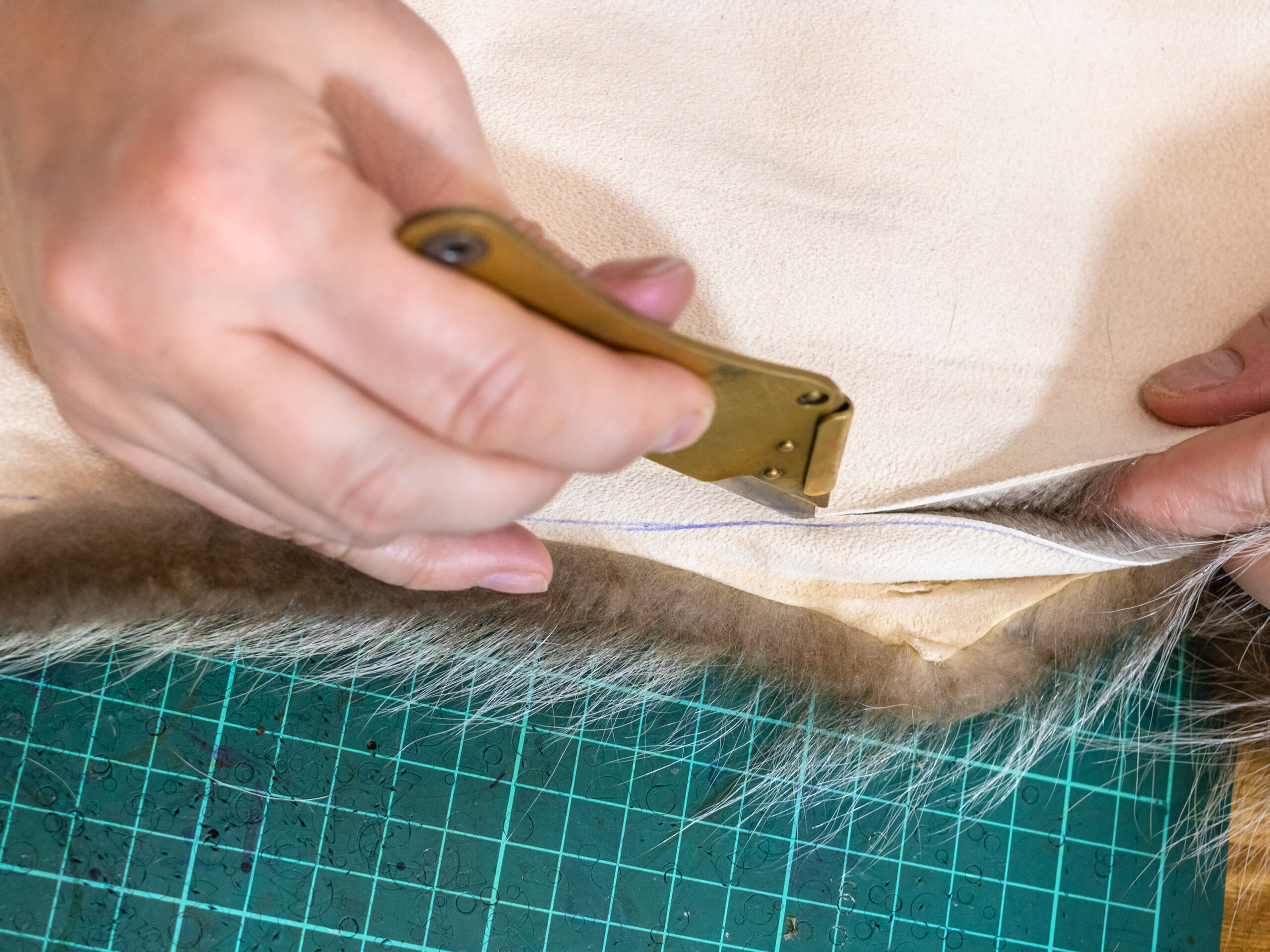
Learning fur pelt identification can take experience, which is why working with an experienced professional is valuable when evaluating quality and construction.
Mink Fur
Mink remains one of the best-known luxury fur materials, and for good reason. Key mink fur characteristics include a dense underfur, naturally glossy guard hairs, softness, and a relatively lightweight feel.
Mink is exceptionally versatile. Its smooth appearance works beautifully for classic full-length coats, jackets, capes, and accessories. Its combination of beauty and resilience also makes it a practical choice for someone seeking an elegant garment that can become a long-term part of a wardrobe.
Fox Fur
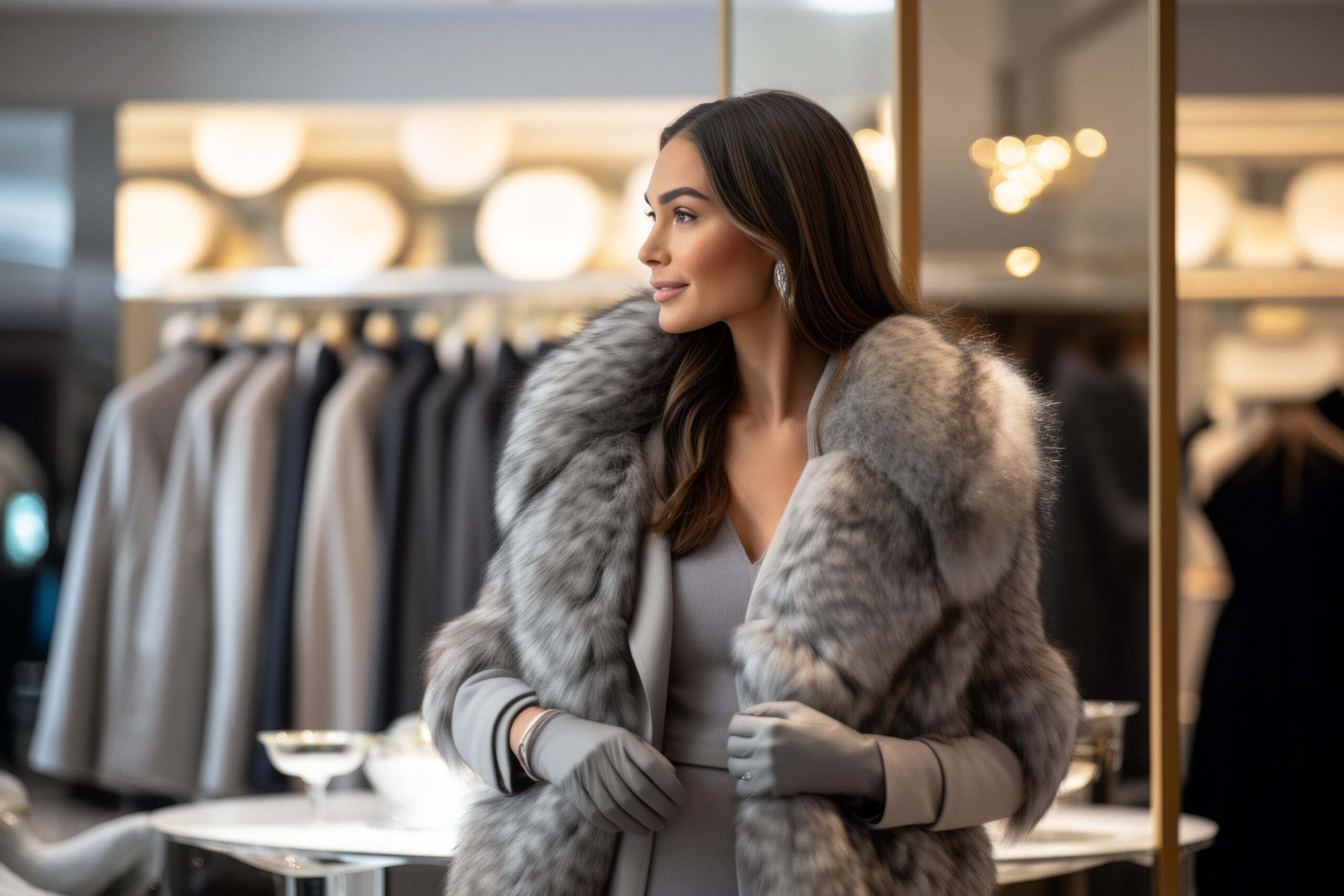
For shoppers drawn to volume and visual impact, fox fur coats offer a distinctive alternative. Fox has long, full guard hairs that create a luxurious, dimensional appearance. It is available in numerous natural colors and can also be professionally dyed.
Because of its fuller profile, fox is especially popular for statement coats, collars, cuffs, and trim. Its character is quite different from mink, making it an excellent example of why comparing different fur coats in person can be so helpful.
Chinchilla, Sable, Beaver and Rabbit
Chinchilla is renowned for its extraordinary softness and exceptionally dense fur. It is a luxurious material that feels noticeably different from most other pelts and is best treated with attentive professional care.
When considering chinchilla vs. sable fur, remember that both occupy the luxury end of the market but have distinct appearances, textures, and characteristics. Sable is prized for its silky feel, natural sheen, and elegant guard hairs.
Beaver is another highly versatile option. Naturally dense and insulating, it can be left natural or sheared to create a plush, velvety surface. Rabbit is lightweight and exceptionally soft, and its versatility has made it popular for a variety of garments and accessories.
Which Fur Is the Warmest for Winter?
There is no single answer because warmth depends on the fur itself, its density, how the garment is constructed, and how it is worn. In general, dense underfur provides significant insulation, while garment length, lining, and design also matter.
This is why fur durability and warmth should be considered together. A warm coat that suits your lifestyle and intended use is more valuable than simply selecting the pelt marketed as the warmest.
For everyday use, durability is equally important. Depending on construction and care, mink and beaver can be excellent candidates among the most durable everyday fur coats.
How to Choose the Right Fur for Your Lifestyle
For a first-time fur buyer, the best starting point is not simply asking which fur is most luxurious. Consider where you will wear it, how frequently you expect to use it, the level of warmth you need, and whether you prefer a sleek or more dramatic silhouette.
If you are asking, “What is the best type of real fur for a first-time buyer to purchase?” the answer depends on your individual priorities. Likewise, if you are wondering about the differences in texture and warmth between mink, fox, and rabbit fur, comparing quality garments firsthand is often more informative than comparing photographs.
For luxury outerwear education, the guidance of an experienced professional can make the decision considerably easier. The Morris Kaye Furs experts can help you evaluate quality, construction, fit, and care requirements so you can select a garment with confidence.
Choosing Quality with Confidence
Whether you’re a seasoned fur fashion enthusiast or purchasing your first piece, learning about real fur is the foundation of an informed decision. As a high-end fur retailer Texas shoppers can turn to for expertise, Morris Kaye Furs brings specialized knowledge to the selection of quality fur garments.
If you’re searching for a Dallas master furrier, looking for San Antonio fur experts, or simply want reliable advice before investing in luxury outerwear, professional guidance can help you understand the differences between pelts and find a garment suited to your needs.
For anyone wondering, “I want to buy a real fur coat; what do I need to know about the different fur types?” start with the basics: texture, warmth, durability, lifestyle, and craftsmanship. If you are also asking, “Where can I learn about fur types and buy a high-quality coat in Texas?” an experienced furrier is an excellent resource.
Finally, remember that care matters. Store fur properly, protect it from excessive heat and moisture, and rely on professional cleaning and conditioning. If you are wondering, “Which fur type requires the least maintenance for everyday wear?” your furrier can recommend an option based on your intended use and explain its specific care requirements.
Consult a Morris Kaye master furrier to discuss your options and make your next fur purchase an informed one.