Sustainability has become a defining conversation in luxury fashion, with consumers increasingly prioritizing quality, longevity, and responsible sourcing. As interest in sustainable luxury fashion grows, natural fur deserves a closer look. Beyond its timeless elegance, real fur offers exceptional durability, opportunities for restoration, and a tradition of craftsmanship that encourages long-term ownership.
At Morris Kaye Furs, we believe understanding fur industry sustainability means examining the complete lifecycle of a garment, from sourcing and production to preservation and repurposing.
Natural Fur: A Commitment to Longevity
One of the strongest arguments for sustainable fur is its remarkable lifespan. With proper care, a quality fur coat can last for decades, making it an appealing choice for heritage fashion investors seeking enduring value.
For consumers asking, “How long does a real fur coat last compared to synthetic outerwear?” The answer depends on construction, maintenance, and storage. Professionally maintained fur can remain wearable for generations.
This durability helps explain why real fur is considered slow fashion. Rather than following fleeting trends, slow fashion outerwear emphasizes craftsmanship, timeless design, and extended garment use.
Fur longevity also makes heirloom fur coats particularly meaningful. These treasured pieces can be preserved, updated, and passed down, connecting generations through exceptional craftsmanship.
Understanding Fur’s Environmental Footprint
When discussing eco-friendly fur, it’s important to consider the material’s natural properties alongside its production impacts.
Real fur is an organic material capable of decomposing under suitable environmental conditions. This characteristic contributes to conversations about biodegradable fashion, although tanning, dyes, and finishing treatments can influence decomposition.
Questions such as, “Is real fur more sustainable than faux fur?” and “Why is faux fur worse for the environment than real fur?” often arise in sustainability discussions. The answer isn’t universal: environmental outcomes depend on sourcing, manufacturing, garment lifespan, and disposal.
Similarly, the biodegradability of real fur coats vs. synthetic materials represents only one aspect of a broader lifecycle assessment.
The potential environmental benefits of wearing real fur are most compelling when garments remain in use for decades, reducing the frequency of replacement purchases.
Responsible Sourcing and Fur Trade Ethics
Understanding how the fur industry is becoming more sustainable requires examining evolving sourcing standards, traceability initiatives, and production practices.
Responsible businesses recognize that fur trade ethics involve animal welfare, regulatory compliance, and environmental stewardship. Certification programs and industry oversight can support accountability, although requirements and enforcement vary across regions.
For eco-conscious luxury buyers, transparency matters. Asking about a garment’s origin, production methods, and care requirements helps support informed purchasing decisions.
The concept of ethical fur extends beyond sourcing alone. It also encompasses responsible ownership, skilled craftsmanship, and maximizing the useful life of existing garments.
As the sustainable outerwear industry evolves, these considerations remain central to building consumer confidence and encouraging thoughtful consumption.
Fur Restoration: Giving Timeless Pieces New Life
Perhaps one of the most practical sustainability opportunities lies in fur recycling and restyling.
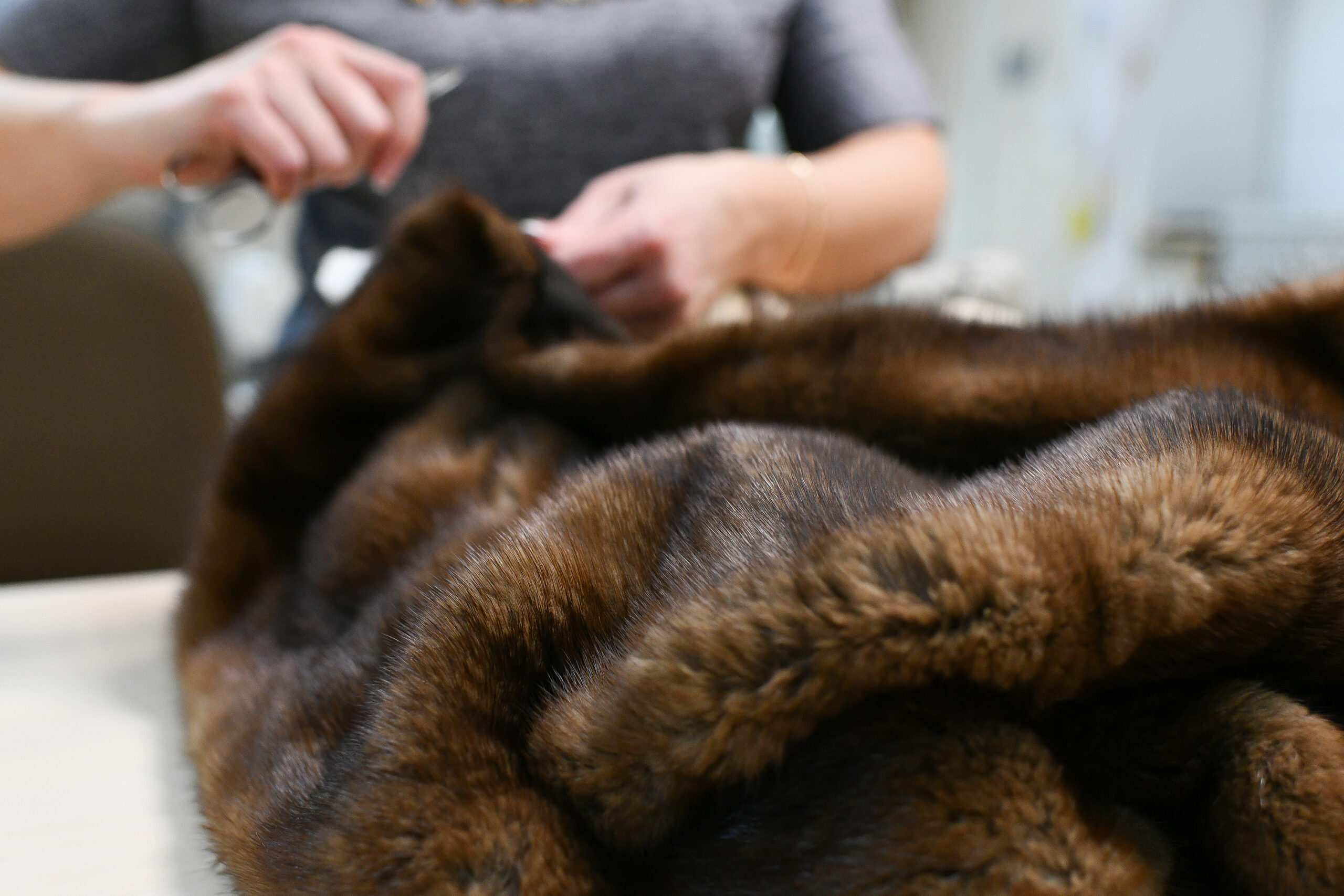
A well-crafted fur coat doesn’t need to be retired simply because its silhouette feels outdated. Professional furriers can transform existing garments into contemporary jackets, vests, accessories, or completely redesigned pieces.
At Morris Kaye Furs, our expertise as Texas master furriers reflects the craftsmanship required to preserve and reimagine treasured garments.
Professional cleaning, conditioning, repairs, and appropriate storage also help protect natural fur against preventable deterioration.
Choosing to repurpose your old fur coat keeps valuable materials in circulation while creating something suited to your current lifestyle.
This approach embodies circular fashion: maintaining, repairing, and creatively reusing existing garments rather than allowing them to go to waste.
A Thoughtful Future for Sustainable Fur
For anyone exploring real fur vs. faux fur, the broader sustainability conversation should include material origins, environmental impacts, craftsmanship, and expected lifespan.
The environmental impact of faux fur is one consideration, but responsible fur ownership also requires acknowledging the environmental and animal welfare implications of natural fur production.
Ultimately, what makes real fur an eco-friendly clothing choice depends on how responsibly it’s sourced, how long it’s worn, and how effectively it’s maintained.
Consumers who want to learn about fur sustainability should look for credible information, transparent practices, and experienced professionals who understand garment preservation.
Preserving Luxury for Generations
Sustainability isn’t simply about purchasing something new. It’s about appreciating what already exists and making thoughtful choices that stand the test of time.
Morris Kaye Furs celebrates this philosophy through enduring craftsmanship, expert garment care, and the restoration of treasured pieces. Whether preserving an heirloom or refreshing a beloved coat, investing in longevity helps keep luxury meaningful for generations.